Guests’ ages pick the game before anything else does, which is why Choosing Age-appropriate Games sits in this list: the youngest child can wait only so long for a turn and hold only so many rules, so one or two rules shown once beats a clever setup.
The list runs from near-free picks like Limbo and Pin the Tail on the Donkey to a bigger build like the Plinko Drop Board, so the effort you put in is yours to set.
1. Obstacle Course
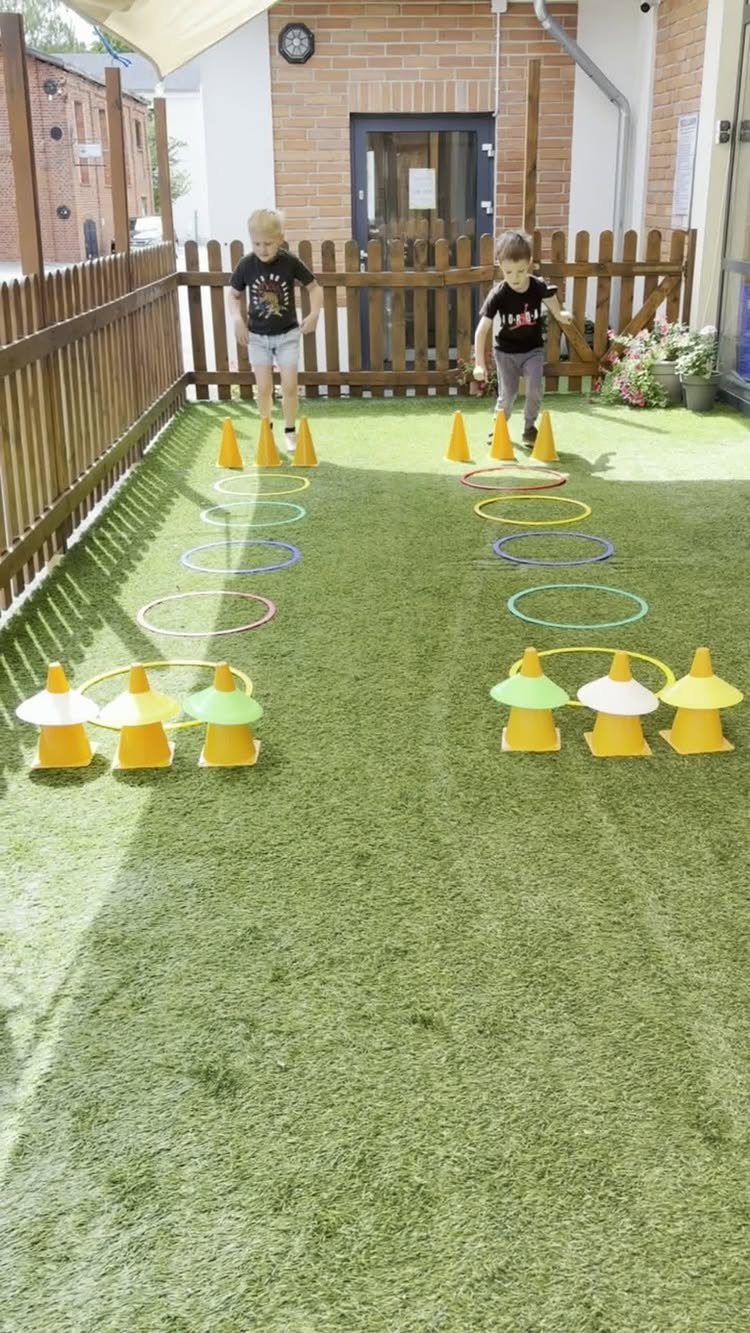
Cones and hoops on a patch of lawn make a course quickly, and nothing needs buying beyond what many households already own. Hoops flat on the ground work as stepping spots, and cones set in a line become a weave.
I’d keep the station count low so the line of waiting kids stays short. Send children off one at a time, or in pairs for a race.
Start with the hardest station first, while energy is high.
2. Pin the Tail on the Donkey
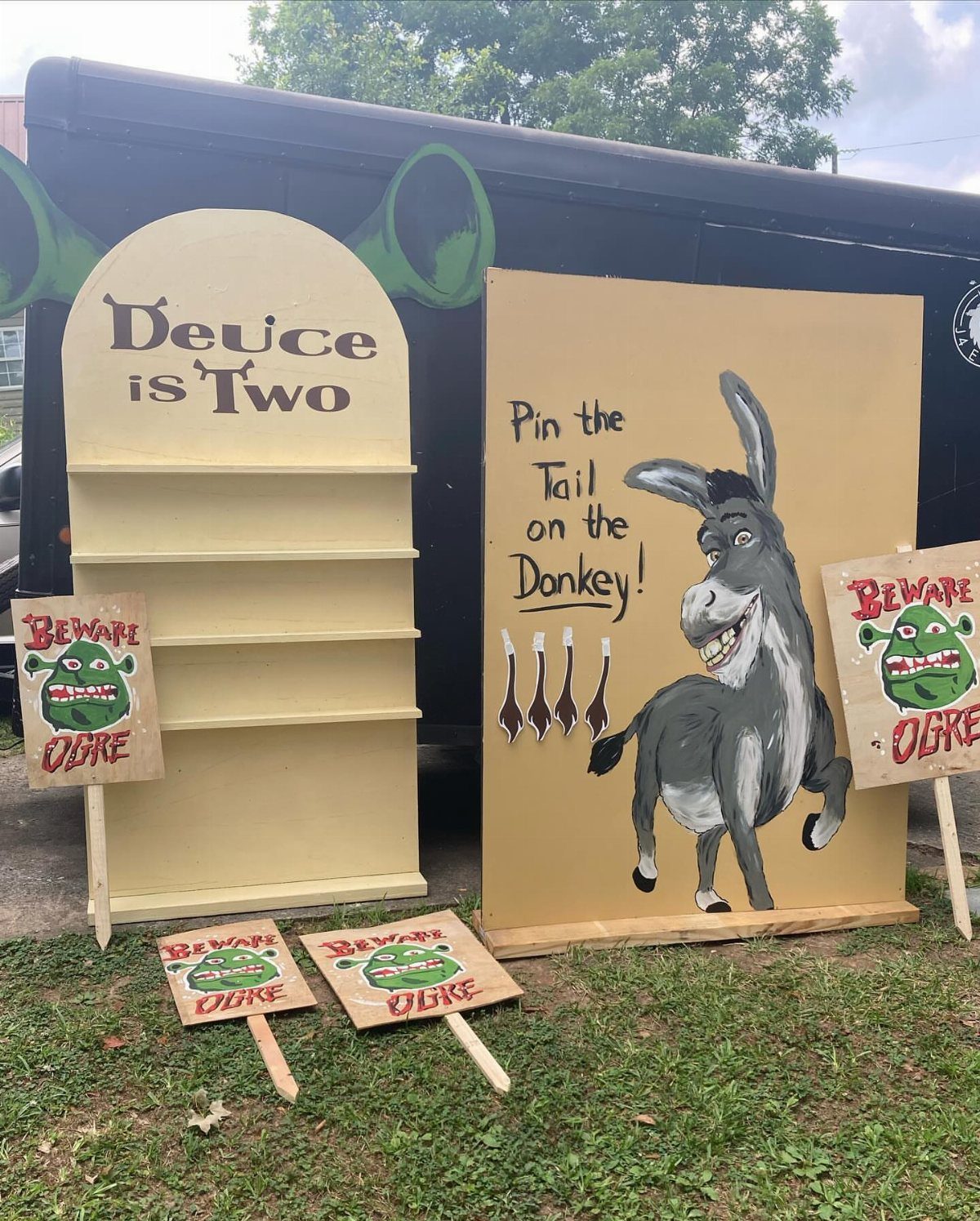
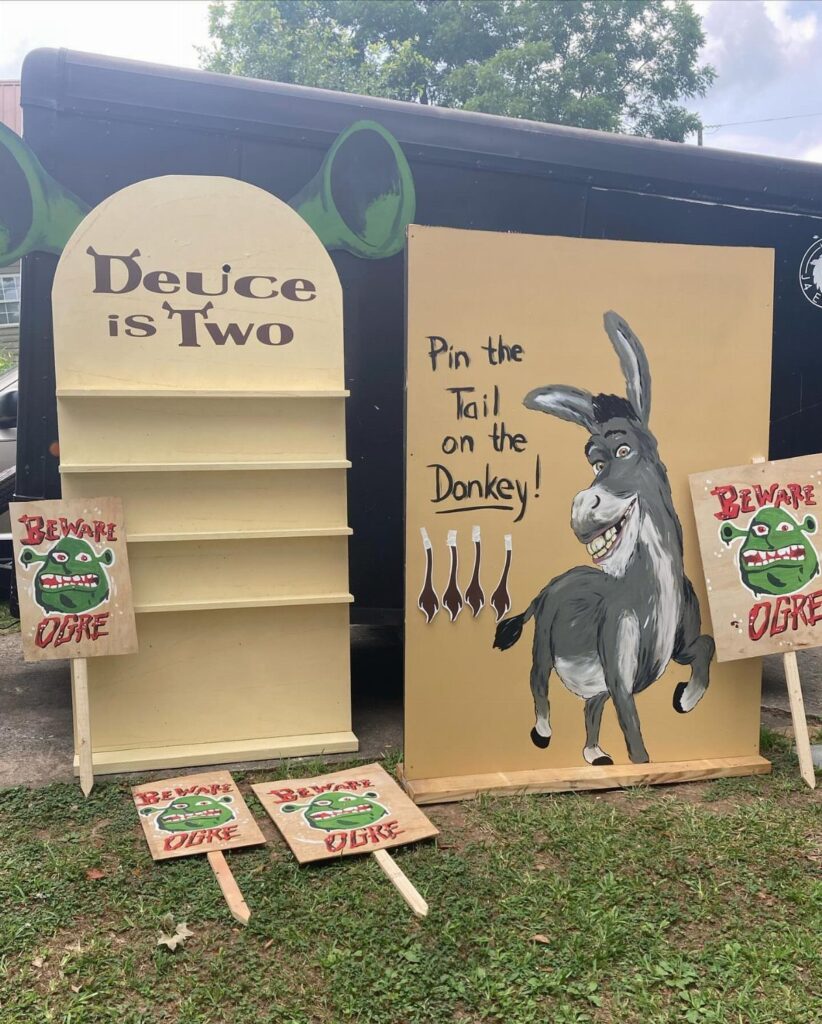
A donkey on a board, a handful of paper tails, and a blindfold: this game is cheap enough that the decor can carry the theme.
Swap the donkey for any character and the game still works, which is why a themed party gets so much from it.
Put a piece of tape or a sticky dot on each tail and write each child’s name on theirs, so judging the closest one is easy.
Hang the board at kid height and mark a start line a few steps back.
3. Doughnut on a String
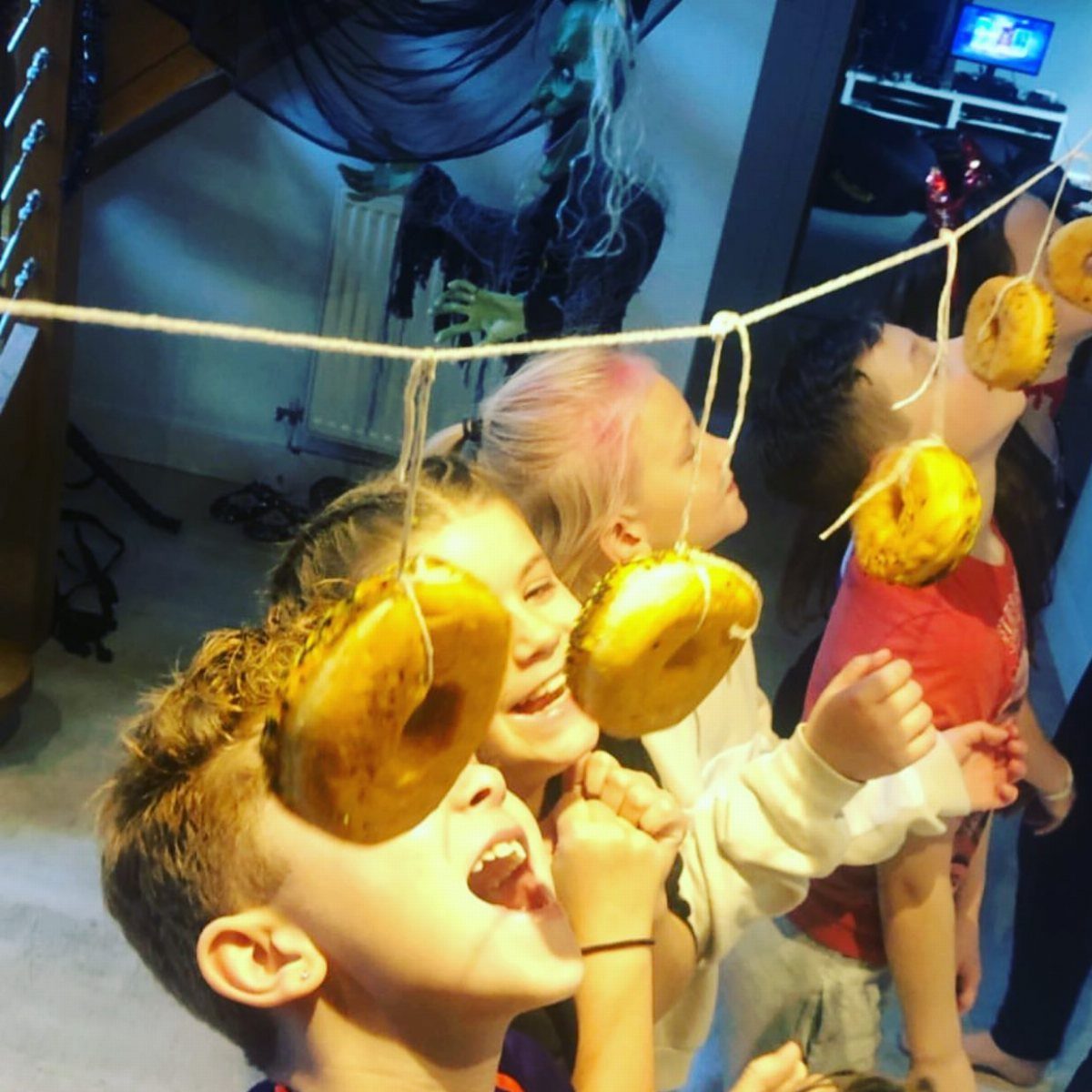
Hands behind the back, mouth only: that rule is the whole game, and it produces more laughing than any prize does. Glazed doughnuts tied to a string are sticky, so expect messy faces and keep wipes nearby.
I’d hang them at roughly each child’s mouth height, with the string on a line or doorway frame. Play it as a race to finish, or just let everyone eat at once.
Go outdoors or put a drop cloth down if the floor matters to you.
4. Limbo
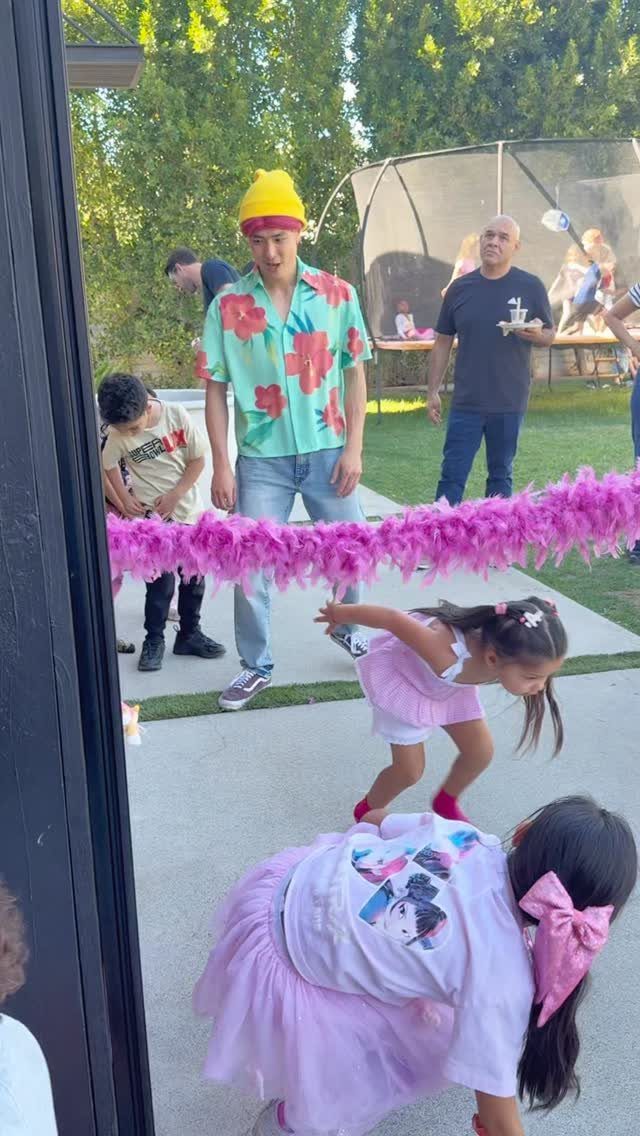
A pink feather boa works as a limbo bar, and I like it more than a stiff pole: if a child brushes it, nothing hurts and nothing falls.
2 adults can hold the ends, which lets you lower it smoothly after every round.
Lower the bar a little each time and let anyone who touches it step out. Start high so the youngest kids pass on the first rounds and feel they’re in the game.
Music is the only extra you need.
5. Mummy Wrap
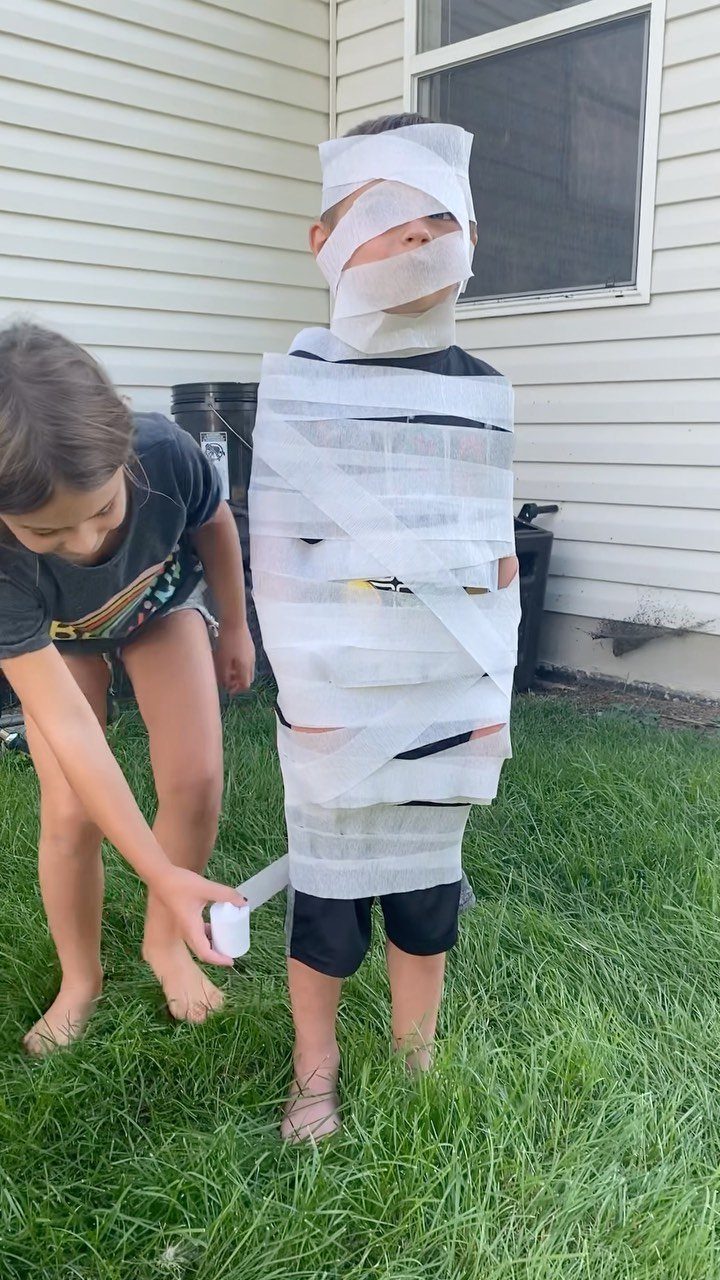
Toilet paper is the cheapest party supply there is, and a single roll per team is plenty for this game. Pair the kids up, pick one to be the mummy, and let the wrapper go.
I’d call a time limit, such as 2 minutes, then judge on coverage. Tell wrappers to keep the face clear, and wrap loosely so the paper tears less.
Play it outside on grass, where scraps are easy to gather afterward. Have a trash bag ready for cleanup.
6. Back to Back Drawing Game
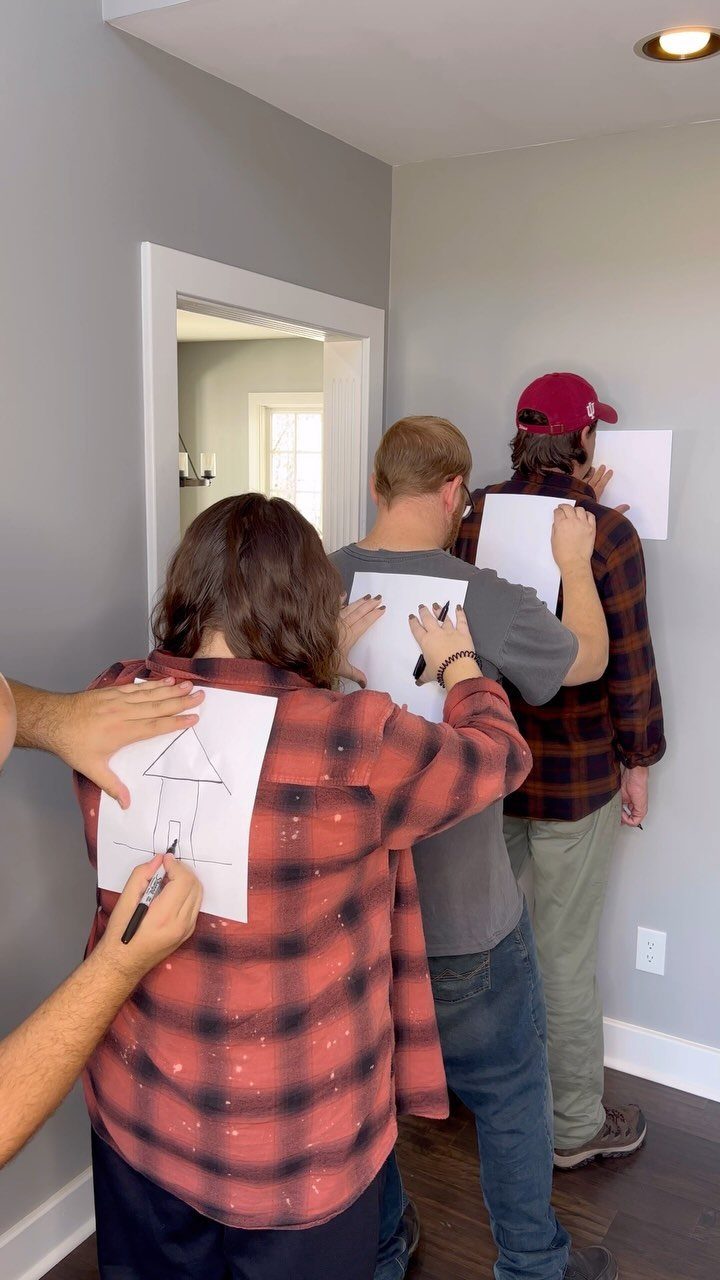
Each player draws on the back of the person in front, using a picture only the last person in line has seen.
That makes the game a drawing version of the telephone game, and the final result is usually far from the original.
Tape a sheet of paper to every back and hand out markers. The last person gets the image, such as a simple house, and the line copies it forward by touch.
This suits older kids best, since little ones may find the drawing-by-feel part hard. Lay the first and last drawings side by side when the game ends, and let the group laugh at how far they drifted.
7. Hula Hoop Ball Gathering
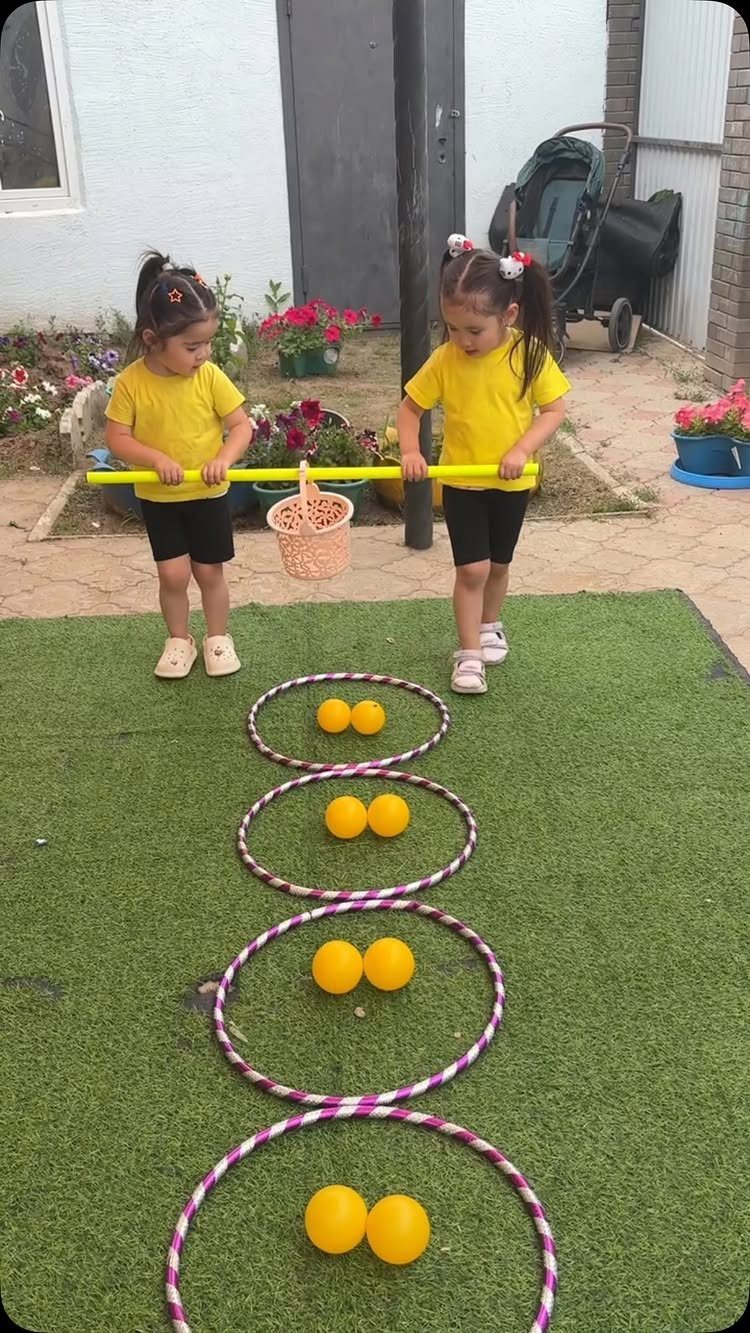
Each child gets a pole with a basket on the end, and the job is to lift balls out of the hula hoops and carry them back without using hands.
Hoops lying flat on the grass keep the balls from rolling off, which is the whole reason to use them.
I’d put the same number of balls in each hoop so teams start even, then set a time limit and count what each basket holds. Play on grass so dropped balls don’t bounce far.
Poles with baskets are the one piece you may need to buy or build; the hoops and balls are easy to find.
8. Scavenger Hunt Clue Cards
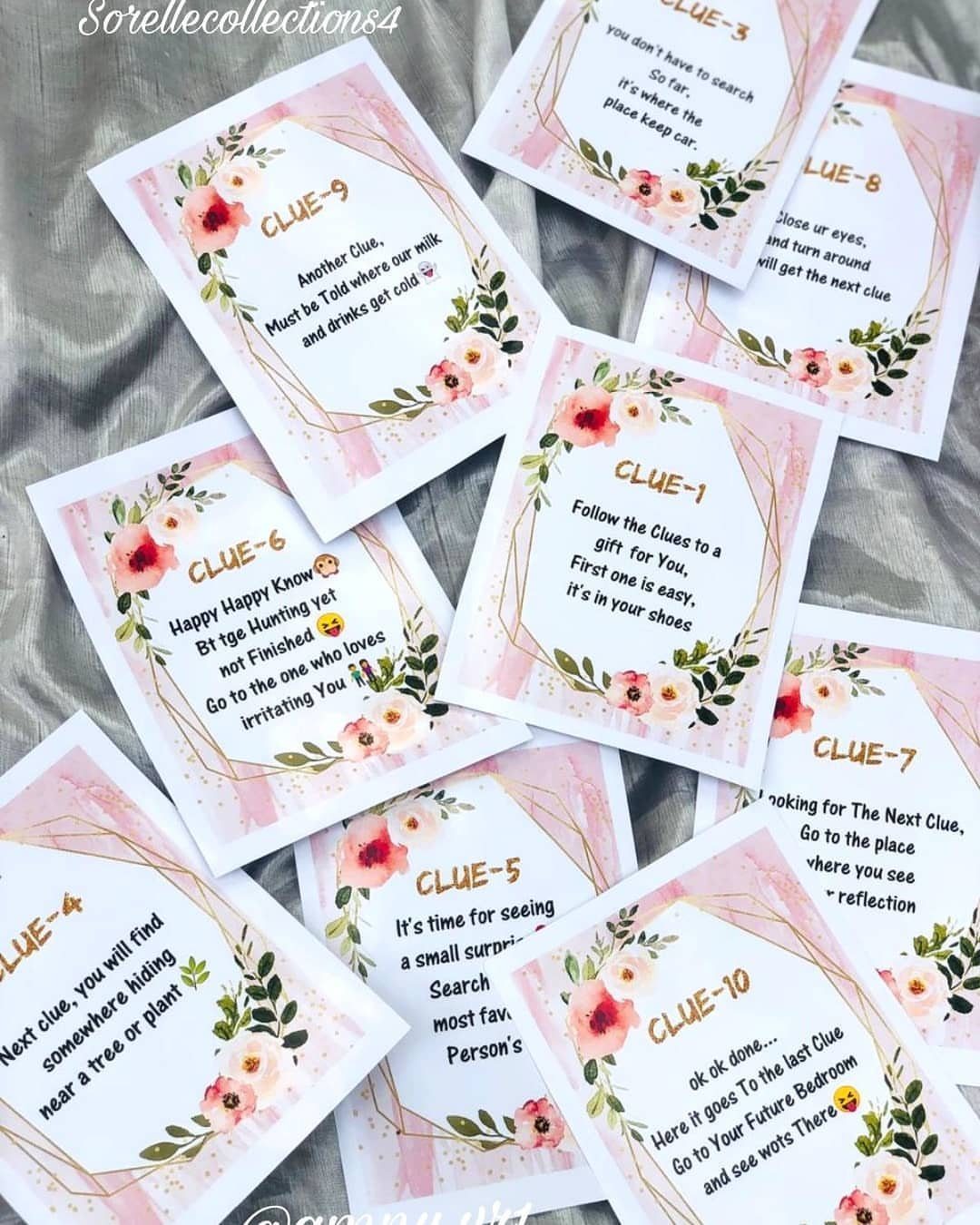
Numbered riddle cards, CLUE-1 through CLUE-10, send players from one spot in the house to the next, and the last card ends at the prize.
Printing them at home makes this one of the cheapest games on the list, with paper and ink the only cost.
Write each riddle so the answer is a place a child knows, such as a room or a piece of furniture, then hide each card there. Number them clearly so the order can’t be mixed up.
A long hunt tires little kids fast, so cut the set down for them.
9. Plinko Drop Board
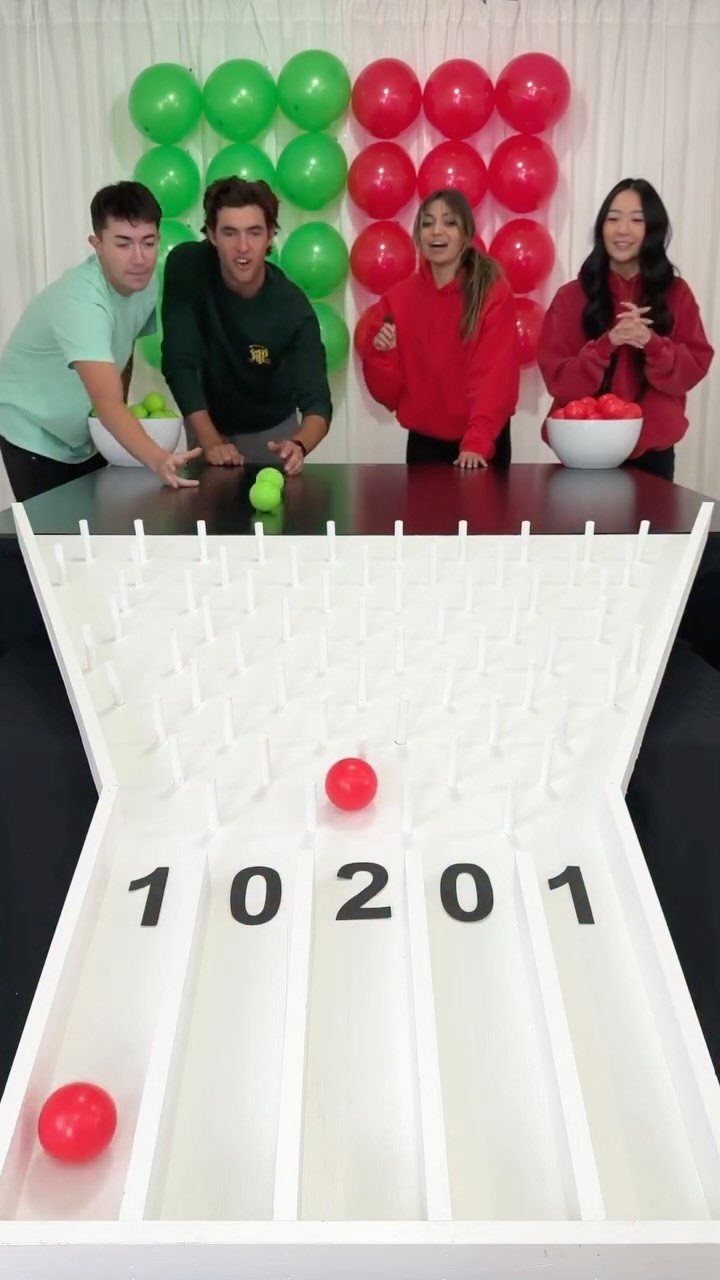
A white pegboard stood upright, balls dropped from the top, and numbered slots along the bottom: Plinko pays off in suspense, since nobody can predict where a ball will land.
Set the board against a wall or table so it doesn’t tip.
I’d give every player the same number of drops and add up the slot numbers for a final score. Let the kids take turns dropping while the others watch, because the watching is half the fun.
A few balloons nearby make it feel like a game show without extra cost.
Choosing Age-appropriate Games
Age changes more than difficulty. It decides how long a child can wait for a turn, how well they handle losing, and how many rules they can hold in their head at once.
With little kids, choose games built on a single rule or two, and make sure you can show the whole thing by doing it once in front of them.
Freeze dance, musical statues, simple scavenger hunts, and relay races all fit, and they keep small bodies moving.
Team contests, trivia rounds, and games where each player holds secret information suit older kids and teens well.
Any adults who stick around usually lean toward silly or creative games, and almost none of them want to be singled out and made to perform alone.
I’d plan around the youngest guest and add a harder option for the oldest.
Mixing Game Types
Mixed ages make planning harder, since a game that thrills the youngest guests can leave the oldest ones bored.
Team formats fix much of that: put an older child and a younger one on each side, and the rules can stay simple while the older player sets the pace.
Alternate loud, running games with seated ones so nobody burns out by the cake.
Hide and Go Seek and Duck, Duck, Goose cover the running, and an egg and spoon race works indoors. For the egg, hard-boil one per child ahead of time, or use plastic eggs if you’d rather skip the mess.
After any race, follow with something seated, and let kids catch their breath without feeling left out.
Prizes and Rewards
Prizes are optional, and I’d lean toward fewer of them. With younger children, a party built around winning ends in tears for someone.
Participation rewards solve this. Hand every child the same small keepsake as they leave, and save any extra recognition for teams rather than individuals.
If you do want a winner’s prize, make it small and let it sit alongside what everyone else gets. That way, the child who finishes last still walks out holding something, and the game stays about the fun.
Frequently Asked Questions
What are some good indoor games for children ages 6-12?
Hide and Go Seek, Duck, Duck, Goose, and egg-and-spoon races all fit in a living room or hallway, and they burn off energy fast.
Put a seated game right after any running one, like a guessing round or a craft table, so the kids cool down before cake.
What are fun and easy games to play at a birthday party?
An obstacle course, Pin the Tail on the Donkey, and Doughnut on a String are cheap and need almost no setup.
Cones and hoops on a lawn make a course in minutes, and the donkey game needs only a board, paper tails, and a blindfold. Keep each game short so attention doesn’t drift.
How do I keep a birthday party game fun for mixed ages?
Mixed teams work best: pair one older kid with one younger kid on each side.
Should I give prizes at a kids’ birthday party?
Prizes are optional, and fewer is better.
Send every child home with the same small keepsake, like a bubble wand or a sticker sheet. A winner’s prize is fine if it stays small, so whoever finishes last still walks out with something.